Overnight Megabus Hacks: How to Sleep, What to Bring, What to Skip
Twelve tested tactics for actually sleeping through an overnight intercity bus, plus the gear and seat picks that matter most.
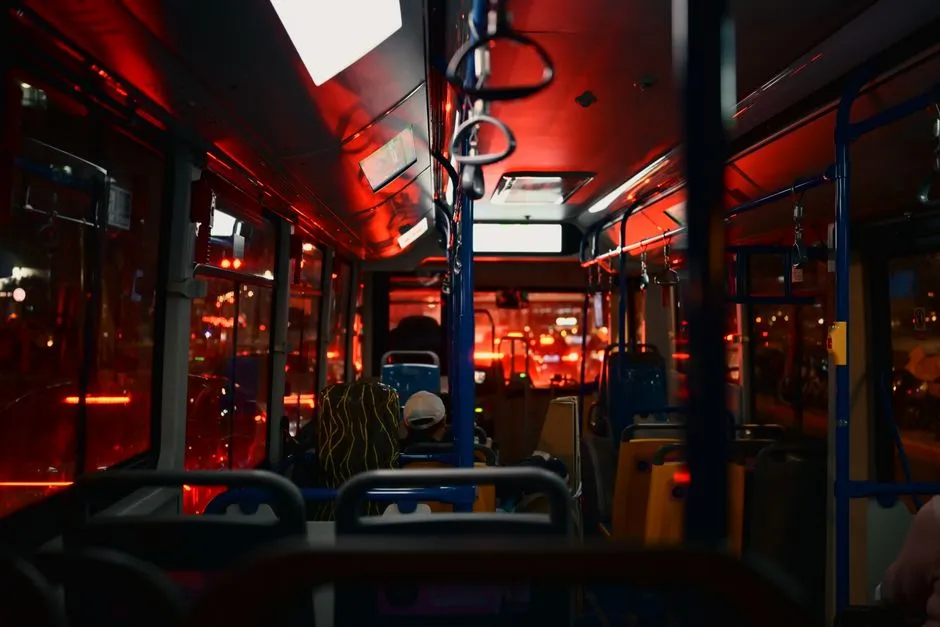
An overnight Megabus is the cheapest way to cover 400 to 700 miles in North America, and on the right route it can be genuinely good — you board after dinner, sleep through the boring middle of the country, and walk off into a new city at breakfast. But it can also be the worst night of your travel year if you do not plan for it. Here are twelve things experienced overnight riders do that nobody tells you about.
1. Pick the right seat before you board
The best seats on a Megabus double-decker are upper-deck rows 1 and 2 (huge front window, no seatback in front of you) and the lower-deck back row only if you do not mind being near the toilet. The worst are upper-deck rows directly above the rear axle — every bump is amplified. Reserved seating is worth the $5 upcharge on overnight rides.
2. Wear the warmest layer you own
Bus AC runs cold at night, and the heaters often do not kick in. A hoodie or a packable down jacket is the difference between sleeping and shivering. Bring a knit beanie too; most of your body heat leaves through your head while seated.
3. Use a real travel pillow, not a U-shape
U-shaped neck pillows do not work in a bus seat because the headrest pushes them forward. The two formats that actually work overnight are inflatable chin-rest pillows (your head falls forward into the pillow rather than to the side) and sleep-mask-style face pillows that strap to the headrest.
4. Eat a real dinner before you board
Most overnight buses do not stop for food until the meal break around 1 AM, and the rest stops at that hour are almost always gas-station snack aisles. Eat a proper dinner near the terminal; bring a granola bar and water for the meal stop.
5. Charge everything to 100 percent before boarding
Power outlets onboard are real but unreliable. Phone, battery pack, headphones, watch — all to 100 percent before you leave the curb.
6. Download offline media
Onboard Wi-Fi is best-effort and drops between cities. Before boarding, download two podcast episodes, one movie, and a Spotify playlist for offline listening.
7. Bring earplugs and a sleep mask
The single biggest sleep killer on overnight buses is the overhead reading light from the row behind you. A proper sleep mask blocks it. Foam earplugs handle the diesel hum at the rest stops.
8. Know the meal-stop drill
The driver will announce a 20-to-30-minute stop at a service plaza around midnight or 1 AM. Get off the bus, use the real bathroom, and re-board on time. Buses leave on the dot, and they have left passengers behind. Set a phone alarm for five minutes before re-boarding time.
9. Keep valuables on your body
The underbus hold is locked, but personal items in the overhead rack are not always supervised. Wallet, passport, phone, laptop — keep them on your person or in a slim pouch you do not put down.
10. Skip the red-eye if the trip is under 6 hours
A 6 AM arrival from a 12 AM departure leaves you exhausted and with nowhere to go for hours. For trips under six hours, take the latest evening departure (around 9 to 10 PM) so you arrive late at night and can check into accommodation.
11. Plan the morning
The bus drops you off at 6 AM. Most coffee shops are not open. Most hotels do not allow check-in until 3 PM. Have a destination — an early-opening cafe, a luggage storage spot, a co-working space — already mapped out before you board.
12. Recover the next day
You will not get more than three to four hours of real sleep on the bus. Plan a quiet first morning — coffee, a long walk, maybe a midday nap if your accommodation is flexible. Do not schedule meetings or hard activities in the first six hours after arrival.
Done well, an overnight Megabus is a whole travel day for the price of one hostel bed. Done badly, it is a sleepless night that ruins the next 36 hours. The difference is preparation.