First-Time Megabus Rider Guide: Everything You Need to Know
How Megabus actually works — from the booking flow and curbside boarding to the $1 fares and how to pick a good seat.
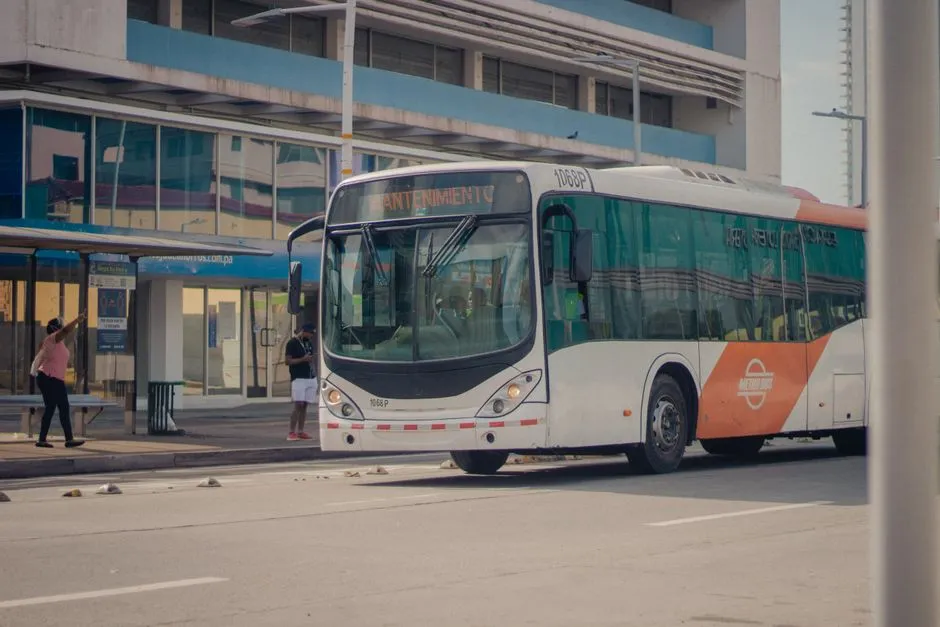
The first time you ride a Megabus, the most disorienting thing is not the bus itself — it is the boarding. There is no terminal in the airport sense, often no waiting area, sometimes no signage. You stand on a sidewalk in a part of the city you do not know, watching for a blue double-decker. Then it shows up, the driver opens the underbus hold, you scan a QR code, and you are on. Knowing the flow in advance makes it painless. Here is what to expect from booking through arrival.
How booking actually works
Megabus tickets are sold only on the Megabus website and the official Megabus app. The site asks for origin city, destination city, and date — not specific stops or stations. Once you pick the date you see all departures, with each fare reflecting the cheapest seat still available.
Fares start at $1 plus a 50-cent reservation fee. They climb in tiers as seats sell. Most travelers see fares between $5 and $40 for trips under 6 hours. Fares are non-refundable but can be rebooked for a $3 fee plus the difference in price up to a few hours before departure.
You can add reserved seating for around $5 (priority boarding bundle) or pick a specific seat for $1 to $5 more. On overnight rides this is worth doing; on a midday weekday trip it is usually not.
Find the stop, not the station
Megabus uses a mix of curbside stops, park-and-rides, and shared terminals. The booking confirmation includes the exact stop with a Google Maps link. Click it. Especially in big cities, the stop may be three to ten blocks from the nearest train station. New York's Megabus stop, for example, is at 34th Street and 11th Avenue — a 12-minute walk from Penn Station.
Aim to arrive 15 to 20 minutes before departure. The bus boards 10 minutes before departure and pulls away on the dot. Megabus has been known to leave passengers behind.
Boarding
The driver opens the underbus storage doors. Hand them your bag if it is going underneath; you are responsible for tagging it. Then queue at the door. Have your QR code ready (printed or on phone) plus a photo ID. The driver scans the code and waves you on.
Seats are unassigned unless you paid for reserved. Upper deck has a bigger window and is usually preferred; lower deck is closer to the door (good for short trips) and has a few extra-legroom rows behind the driver. The very back row of either deck is near the toilet — fine for a quick trip, less ideal overnight.
Onboard amenities
Every coach has free Wi-Fi, power outlets at every row, reclining seats, and one onboard restroom. Wi-Fi is best-effort — fine for messaging and email, unreliable for video. Power outlets are mostly working but not always; bring a battery pack. The restroom is for emergencies; experienced riders use it before boarding and at the meal stop.
Stops, breaks, and arrivals
Express routes under 4 hours typically run nonstop. Routes between 4 and 8 hours usually have one 20-minute meal break at a service plaza. Overnight routes have a longer 30-minute meal break. The driver announces all breaks; set a phone alarm for the re-boarding time.
Arrivals work the same as departures — the bus pulls up at the curb, the driver opens the underbus hold, and you step off. There is no carousel, no claim ticket; you grab your own bag. If your bag is missing, the driver will help you find it; lost bag claims after the bus leaves are difficult to resolve, so check at the curb.
What if something goes wrong?
Buses are sometimes late. Megabus does not proactively notify you. If your departure is more than 30 minutes late, check the Megabus mobile app or the customer service phone number on your booking. The most common cause is traffic on the inbound leg; the bus usually catches up over the route.
If you miss the bus, you do not automatically get on the next one. Megabus tickets are valid for the booked departure only; missing it means buying a new ticket. The exception is in case of provable bus operator delay — keep your ticket and contact customer service.
That is the entire flow. After your first ride you will never need to think about it again — boarding becomes muscle memory, and the surface area for surprises is small.